Hay Fever Sufferers Warned Their Flooring Could Be Making Symptoms Worse

Flooring Expert Owen Chenery explains how pollen, dust and seasonal allergens can build up in carpets and soft flooring, and why wooden floors may offer a cleaner, more practical alternative for hay fever sufferers.
16/06/2026: As hay fever season continues across the UK, many households will be focusing on keeping windows closed, washing bedding and taking antihistamines to reduce symptoms. However, one area that is often overlooked is flooring.
Many people fail to realise that pollen can easily be tracked into the home, where it can linger on surfaces, increasing the risk of hay fever.
Here, Owen Chenery, Flooring Expert at Floor Giants, explains how flooring could be making your hay fever worse, how to ‘de-hay’ your home, and why wooden floors can offer a practical alternative for allergy-prone households.
Why Your Floors Could Be Making Hay Fever Worse
Owen Chenery, Flooring Expert at Floor Giants, said:
“At this time of year, pollen counts are at their peak, putting millions of hay fever sufferers at risk of worsening symptoms both outside and inside the home. Pollen can enter the home far more easily than many people realise. It can be tracked in on shoes, transferred from clothing, brought in by pets, or blown through open windows during high-pollen periods.
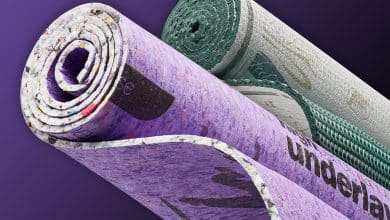
“Once pollen gets inside the home, flooring can play a significant role in how long these allergens linger. In particular, carpets and rugs can trap pollen and dust in their fibres, meaning they can continue to affect indoor air quality, even after the initial exposure has passed.
“Many people view their home as a place of relief from hay fever triggers, but if pollen is repeatedly settling into soft flooring, symptoms may continue indoors, especially in bedrooms, living rooms and hallways where people spend a lot of time.
How to De-Hay Your House During Hay Fever Season
“Reducing the amount of pollen trapped in your home starts with limiting how much is brought indoors in the first place. For this reason, I recommend removing outdoor shoes when entering the home to reduce the risk of tracking pollen onto the floors.
“Additionally, it’s crucial to regularly vacuum the home, especially in carpeted areas or in homes with pets. Using a vacuum with a HEPA filter can help capture finer particles such as pollen, dust and pet dander, rather than simply disturbing them and pushing them back into the air.
“Any hard floors should be swept and mopped frequently, while soft furnishings such as rugs, curtains, pet beds and cushions should be washed much more often during peak hay fever season.
“When cleaning hard floors, it’s also important to avoid using too much water, particularly on laminate and vinyl flooring. Excess moisture can seep into joints or edges over time, so a lightly damp mop is usually the safest option for regular cleaning.
“It’s also worth wiping down surfaces close to windows and doors, as these are common places for pollen to settle. If you do open windows, do so at lower pollen times of day, and clean nearby floors and surfaces afterwards to help reduce build-up.
“The key is to remain consistent and avoid letting pollen build up throughout the home. It can significantly reduce hay fever symptoms and, ultimately, make living spaces more comfortable during the warmer months.
Why Wooden Floors Are Easier to Keep Clean During Hay Fever Season
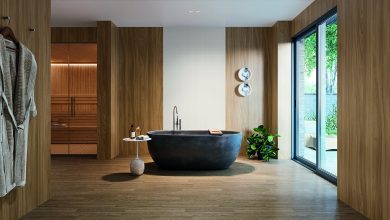
“Wooden floors are a strong option for households that want a cleaner and easier-to-maintain surface during hay fever season. Unlike carpet, wood flooring does not have deep fibres where pollen, dust and pet dander can become trapped, which makes allergens much easier to remove.
“Materials such as solid wood or engineered wood provide a smooth surface, so pollen is more likely to sit on top rather than becoming embedded. This means it can usually be removed more effectively through regular sweeping, vacuuming and light mopping.
“This option can prove particularly useful in high-traffic areas of the home, such as hallways, living rooms or kitchens. Rather than allergens being hidden within carpet fibres, they are visible on the surface and can be cleared away before they accumulate.
“Overall, while no flooring can remove hay fever triggers completely, choosing a surface that is easier to clean can help reduce the places where pollen and dust can settle. It’s vital for homeowners to understand how their flooring could be worsening hay fever symptoms and how to minimise this risk.”
For more expert flooring advice or to explore a wide range of flooring options, visit Floor Giants here.